Blog
ABA Therapy Chula Vista: New Autism Clinic Opening
ABA Therapy in Chula Vista, What Families Need to Know
Families in Chula Vista searching for autism services often face an overwhelming number of choices and questions. Finding the right support system can feel complicated, especially when parents are navigating a new diagnosis or trying to determine which therapy model is best for their child.
Applied Behavior Analysis, commonly called ABA therapy, is one of the most widely researched and effective approaches for supporting children with autism. As more families in South San Diego County seek high-quality behavioral support, access to experienced clinicians and structured programs becomes increasingly important.
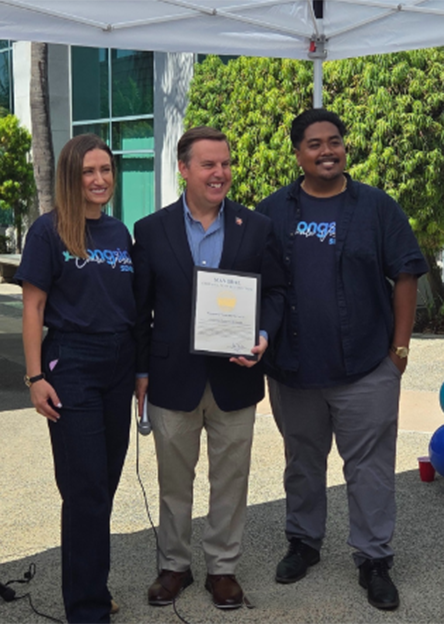
The opening of our new ABA clinic in Chula Vista represents a significant step forward for families in the region who are searching for compassionate, evidence-based autism services close to home. Local access to care reduces travel time, improves consistency of therapy, and allows families to remain closely involved in their child's progress.
For parents beginning their search for autism services, understanding how ABA therapy works and what to expect from a clinic environment can help make the decision process much clearer.
What Is ABA Therapy and How Does It Help Children with Autism?
Applied Behavior Analysis is a science-based therapy that focuses on understanding how behavior works and how learning happens. Behavior Technicians use structured techniques and positive reinforcement to help children develop communication, social, and daily living skills.
ABA programs are individualized for each child. A licensed clinician, often a Board Certified Behavior Analyst, evaluates the child's needs and creates a personalized treatment plan that focuses on meaningful developmental goals.
These goals may include:
- Communication and language development
- Social interaction and peer engagement
- Emotional regulation
- Daily living skills and independence
- School readiness and classroom behaviors
ABA therapy breaks skills into manageable steps, allowing children to practice new behaviors in a supportive environment. Over time, these skills become more natural and transferable to real-world situations at home, school, and in the community.
Many families notice improvements in communication, confidence, and independence as therapy progresses.
Why Local ABA Clinics Matter for Families
When parents search for ABA therapy near me, they are often looking for more than convenience. They are looking for consistency, community connection, and a place where their child can feel comfortable and supported.
Local clinics provide several important benefits:
Reduced travel stress
Long drives to therapy sessions can be difficult for both children and parents. Having a clinic nearby allows families to maintain a consistent therapy schedule.
Community integration
Local providers understand regional school systems, community resources, and support networks available to families.
Family collaboration
Parent involvement is a critical part of effective ABA therapy. Local clinics make it easier for families to participate in parent consultation, meetings, and progress reviews.
Access to social learning environments
Center-based therapy allows children to interact with peers in structured social activities and group learning opportunities.
For families living in South San Diego County, a new clinic location in Chula Vista expands the availability of these essential services.
What to Expect During an ABA Clinic Tour
Many parents schedule a clinic tour before enrolling their child in therapy. A tour provides an opportunity to meet the clinical team, observe the therapy environment, and ask questions about the treatment process.
During a typical clinic visit, families may see:
- Therapy rooms designed for structured learning activities
- Play areas where Behavior Technicians help children develop social interaction skills
- Observation spaces where parents can watch therapy sessions and learn strategies they can use at home
Clinicians often explain how treatment plans are created, how progress is measured, and how families stay involved in their child's development.
Parents may also ask questions such as:
- How many therapy hours are recommended per week?
- What training do Behavior Technicians receive?
- How are goals tracked and updated?
- How does the clinic coordinate with schools?
These conversations help families feel confident that the program is the right fit for their child.
ABA Therapy Service Settings
Many modern ABA providers offer services across multiple environments. This flexible model allows therapy to happen where children naturally spend their time.
Common therapy settings include:
Clinic-based therapy
Structured learning environments with specialized materials, therapy rooms, and opportunities for peer interaction.
In-home ABA therapy
Behavior Technicians work with children in their home environment to support daily routines, communication, and family interactions.
School-based support
Clinicians coordinate with educators to support classroom success and behavioral strategies.
Community integration
Behavior Technicians support children in real-world environments such as parks, stores, and community spaces to help generalize skills and build independence in everyday situations.
By combining these environments, therapy becomes more adaptable and practical for real-life situations.
Early Intervention and Why Timing Matters
Research consistently shows that early behavioral intervention can significantly improve developmental outcomes for children with autism.
Early intervention programs typically focus on:
- Communication development
- Social engagement
- Play skills
- Behavioral regulation
When therapy begins early, children often develop foundational skills that support learning throughout childhood.
Parents who notice developmental differences in their child should speak with healthcare providers and behavioral specialists to determine whether evaluation or early intervention services may be appropriate.
How Families Can Get Started with ABA Therapy
The first step for many families is scheduling a consultation or clinic tour. During this process, the clinical team gathers information about the child's needs and explains how therapy programs work.
The enrollment process typically includes:
- Initial consultation with a clinical coordinator
- Insurance verification and authorization
- Comprehensive behavioral assessment
- Development of a personalized treatment plan
Once services begin, therapy sessions may occur several times per week depending on the child's needs and developmental goals.
Families remain involved throughout the process, working alongside clinicians to reinforce progress and celebrate milestones.
Expanding Autism Services in Chula Vista
Access to high-quality autism services continues to grow across Southern California, but demand remains high. Families often search online for trusted providers that offer personalized care, experienced clinicians, and a supportive therapy environment.
The addition of a new ABA clinic in Chula Vista helps expand local access to behavioral therapy services for children and families throughout the region.
As awareness of autism services grows, communities benefit from increased availability of compassionate providers who are committed to helping children develop skills, confidence, and independence.
Families interested in learning more about ABA therapy or visiting the new clinic location can schedule a tour to explore the program and meet the care team.
.webp)

.webp)