Blog
EIBI and Play-Based Learning: Fun Activities for Children
Early Intensive Behavioral Intervention (EIBI) is a specialized approach that benefits many children with developmental challenges. Building play-based learning into EIBI improves engagement and supports developmental skills in a fun, interactive way.
Sensory Play Stations
Create sensory play stations with various textures, colors, and materials. Children can explore different sensory experiences, building sensory processing abilities and motor skills. Use items like sand, water beads, textured fabrics, and playdough to engage their senses.
Sensory play stations enrich learning experiences and help children explore and understand their world through meaningful sensory interaction. These stations support development and lay groundwork for future academic and social skills.
Pretend Play Scenarios
Pretend play is important for developing social skills and imagination. Set up scenarios like a doctor's office, a grocery store, or a kitchen with pretend food and utensils. Encourage children to take on roles, communicate, and problem-solve through these activities.
Building varied pretend play scenarios into EIBI sessions makes learning enjoyable and supports development across physical, cognitive, social, and emotional areas.
Outdoor Nature Hunts
Take advantage of natural surroundings with outdoor nature hunts. Create scavenger hunts where children search for specific items like leaves, rocks, or flowers. This promotes physical activity, teaches children about their environment, and encourages curiosity.
Setting the Scene
Begin by selecting a suitable outdoor location, such as a local park, nature reserve, or a backyard with varied plants. Make sure the area is safe and accessible, with plenty of natural elements to discover.
Crafting a Scavenger Hunt
Create a scavenger hunt list suited to the outdoor environment. Include items like pinecones, different types of leaves, rocks of various colors and textures, flowers or plants native to the region, and small wildlife sightings like birds or insects.
Engaging the Senses
Encourage children to use all their senses during the hunt. They can feel the texture of tree bark, listen for bird calls or rustling leaves, smell flowers or pine needles, and observe the colors of blossoms or changing leaves.
Learning Through Discovery
As children explore, prompt them to observe and describe what they find. Discuss the characteristics of each item, such as the shape of leaves, the patterns on rocks, or the habitats of local wildlife. This encourages observational skills and vocabulary development.
Nature Journaling
Provide each child with a nature journal or notebook to document their findings. They can draw pictures of what they discover, write descriptions of the items they collect, or jot down questions they have about the natural world around them.
Music and Movement Sessions
Build music and movement into EIBI sessions to support coordination and expression. Use simple musical instruments like tambourines or shakers, and encourage children to dance or move to the rhythm. Music supports cognitive development and can be a good way to transition between activities.
Music and movement sessions support physical activity and creativity while also building cognitive development, emotional expression, and social interaction among children.
Storytelling and Puppet Shows
Reading stories and putting on puppet shows can improve language skills and narrative comprehension. Choose age-appropriate books with colorful illustrations and use puppets to bring characters to life. Encourage children to retell stories or create their own, supporting creativity and communication.
Artistic Expression with Crafts
Art activities like painting, drawing, and crafting let children express themselves creatively. Provide a variety of materials such as crayons, markers, colored paper, and stickers. Artistic expression helps develop fine motor skills, hand-eye coordination, and emotional expression.
Collaborative Building and Block Play
Set up building blocks, LEGO sets, or construction materials for collaborative play. Encourage children to work together to build structures, solve puzzles, or create designs. This supports teamwork, spatial awareness, and problem-solving skills in an engaging environment.
Outdoor Playgrounds and Physical Activities
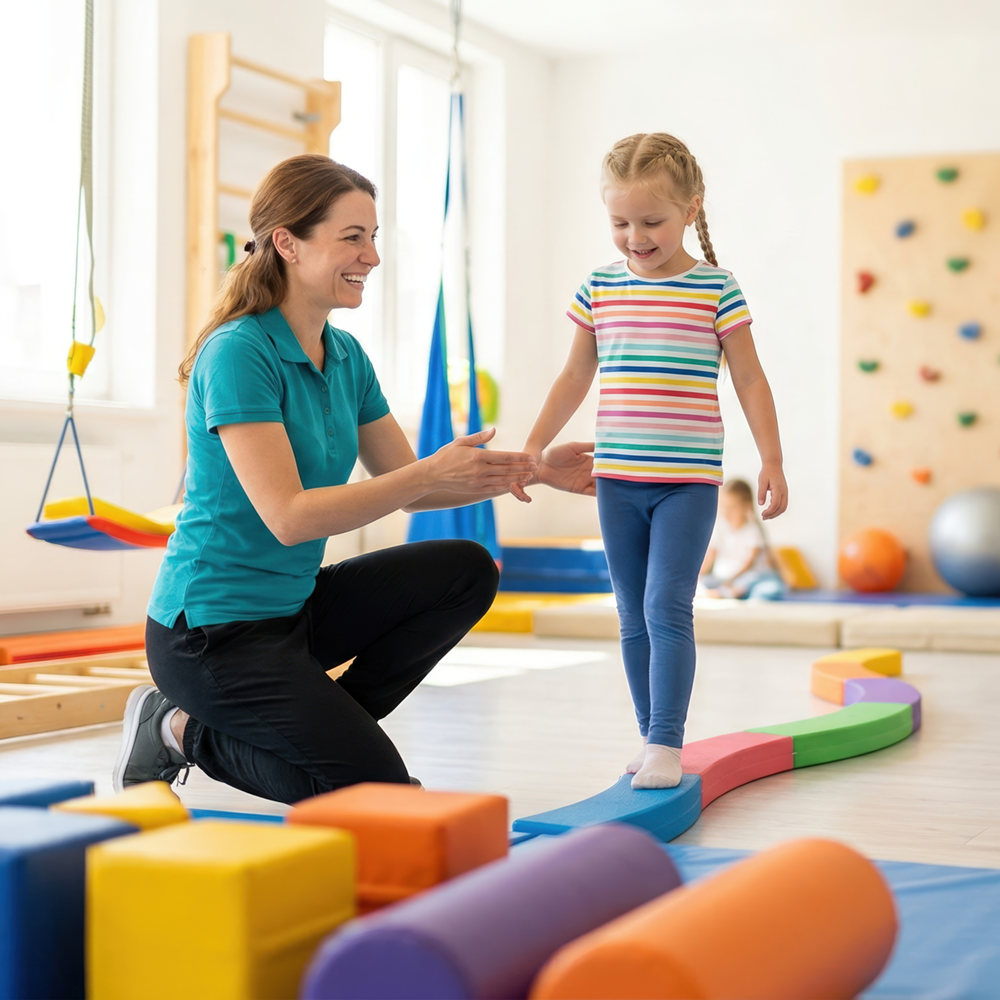
Visit local playgrounds or set up outdoor play areas with swings, slides, and climbing structures. Physical activities like running, jumping, and climbing support gross motor skills and physical fitness. Outdoor play also creates opportunities for social interaction and exploration.
Conclusion
Early Intensive Behavioral Intervention with play-based learning offers a practical approach to child development. At Alongside, we support children's growth through engaging activities that combine therapeutic techniques with play. Our programs give each child individual attention to build social skills, communication, and cognitive abilities in a supportive environment. Learn more about our EIBI services and how they build skills for life.
For more information on how Alongside can support your child's development through EIBI and play-based learning, contact our team or call us at 1-833-879-4274. You can also explore our full range of ABA services.
.webp)

.webp)